


Analysis of the Prospects of Sanitary Pump Valves
The sanitary pump and valve industry is in a period of steady growth. The global market size is expected to reach 2.47 billion US dollars by 2026, with an annual growth rate of approximately 6.1%. The core drivers are the sanitary compliance and intelligent upgrades in the pharmaceutical and food and beverage industries. The following is a summary of the latest industry information from five dimensions: market, technology, policy, competition, and China's dynamics:
I. Global Market Size and Growth (2026 Update)
Overall size: The global sanitary pump and valve market is expected to reach 2.47 billion US dollars in 2026, with a compound annual growth rate of 6.4% from 2025 to 2030, reaching 3.16 billion US dollars in 2030.
Sub-sectors:
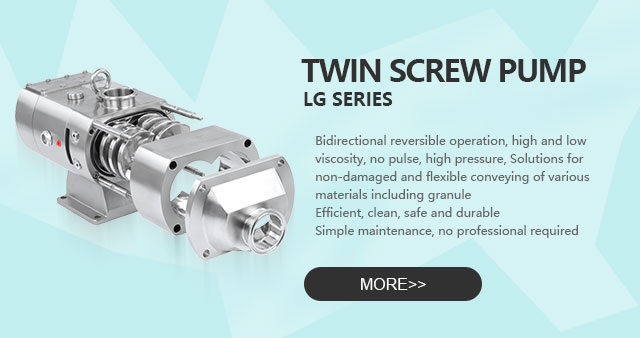
Sanitary pumps: The global market is estimated to be about 35.3 billion yuan in 2025, with a CAGR of approximately 4.2% from 2026 to 2032.
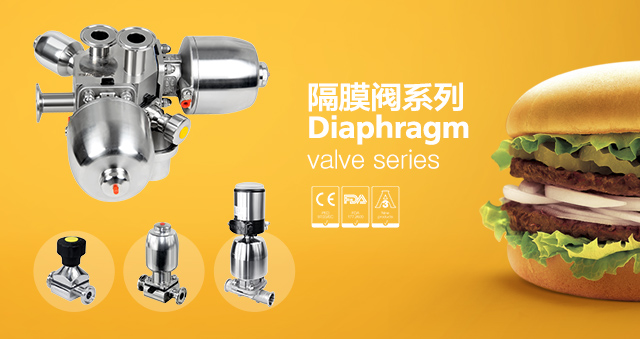
Sanitary/sterile valves: The market is expected to be about 2.02 billion US dollars in 2026, with a CAGR of 5.05% from 2026 to 2035.
Downstream application: Pharmaceuticals (about 41%) and food and beverages (about 33%) are the largest application areas, followed by fine chemicals and biotechnology.
II. Core Technologies and Product Trends (2026 Main Directions)
Intelligent and digital
Integration sensors to enable real-time monitoring and predictive maintenance of flow, pressure, and cleanliness, reducing unplanned downtime.
Support for remote operation and maintenance, automatic adjustment, and fault warning, adapting to Industry 4.0 and digital factories.
Sanitary and clean upgrade
Low dead space, full drainage, and no residue structures have become standard, reducing the risk of microbial growth.
Surface polishing accuracy (such as Ra ≤ 0.4 μm) and sealing reliability continue to improve, meeting CIP/SIP (in-place cleaning/sterilization) requirements.
Materials and energy conservation
Main materials: 316L/316Ti stainless steel, super-pure austenitic stainless steel, with some high-end applications using Hastelloy and ceramic coatings.
High-efficiency energy-saving motors, variable frequency drives, and low-friction seals reduce energy consumption by 15% to 30% compared to traditional products.
Modular and compact design
Standardized module design shortens delivery and retrofit costs, adapting to flexible production lines.
III. Policy and Compliance Drivers (Global + China)
Global: Standards such as FDA, EU GMP, 3-A, and EHEDG continue to tighten, with increased requirements for aseptic processing and traceability, driving equipment upgrades.
China:
The new GMP and food production license review details strengthen hygiene and process control requirements.
Expansions and technological upgrades in the pharmaceutical, dairy, and beverage industries drive the demand for sanitary pumps and valves.
Accelerated domestic substitution: The domestic market share of sanitary pumps and valves is expected to reach 68.3% in 2026, an increase of 3.2 percentage points compared to 2025.
IV. Competitive Landscape (Global + China)
International leaders: Alfa Laval, GEA, SPX Flow, Fristam, INOXPA, etc., dominate the high-end market (pharmaceuticals, biopharmaceuticals).
Chinese industrial clusters: The pump and valve cluster in Wenzhou, Zhejiang Province, is expected to have a scale output value of 23 billion yuan in 2025, with a growth rate of nearly 10%, and is promoting digitalization and high-end transformation.
V. Dynamics in the Chinese Market (2026)
Regional distribution: East China (about 38.5%) and South China (about 24.2%) are the core markets, with the central and western regions experiencing accelerated growth.
Cost and trade: Rising prices of raw materials such as stainless steel and seals; exchange rate fluctuations have led to an exchange loss of about 1.2% for export enterprises.
Research and development: The industry's R&D investment is expected to reach 310 million yuan in 2026, accounting for 7.2% of revenue, focusing on intelligent, aseptic, and energy-saving technologies.
VI. Short-Term Challenges and Opportunities
Challenges: High-end technology barriers, rising raw material costs, international trade frictions, and talent shortages.
Opportunities:
Capacity expansion in biopharmaceuticals, cell therapy, and high-end food and beverages.
Deepening domestic substitution and export growth (Southeast Asia, the Middle East, and Latin America). The product premium and new demands brought about by digitalization, intelligence and energy conservation.