


Hygienic single-seat valve VS double-seat valve (Special for food/pharmaceutical aseptic applications)
Single-seat valve = single seal, simple structure, used for ordinary on-off / direction change;
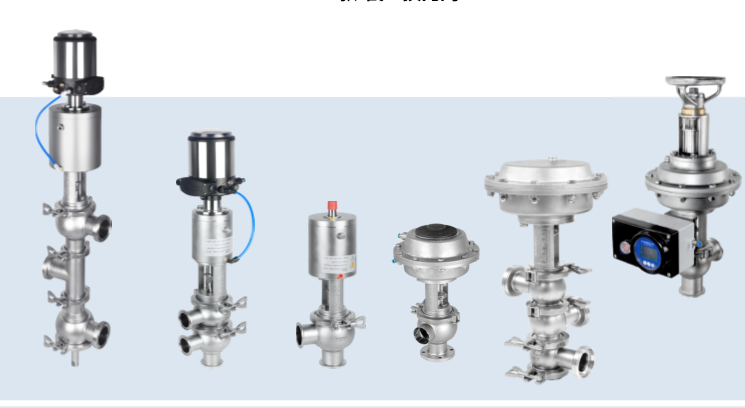
Double-seat valve = double seals, intermediate pressure relief, anti-cross-contamination, used for aseptic anti-mixing, no medium leakage in the opposite direction
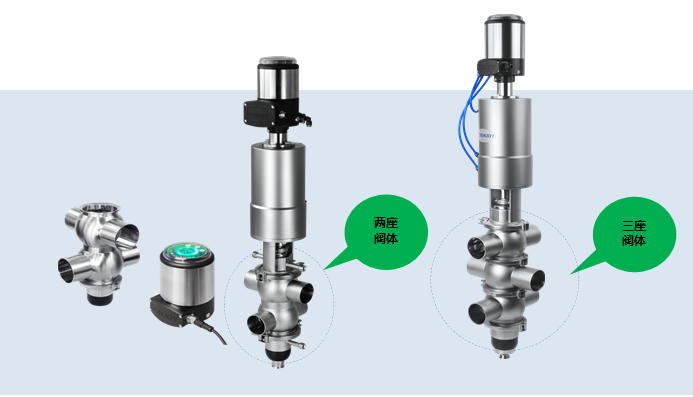
I. Structural principle differences
Hygienic single-seat valve
Only 1 valve core + 1 sealing seat
Valve stem, single sealing surface, single-chamber structure of the valve body
When closed, it cuts off the medium by a single seal
Hygienic double-seat valve (double-seal anti-mixing valve)
2 sets of valve cores + 2 sealing seats, with a pressure relief cavity in the middle
Two independent seals, the middle cavity is directly connected to the atmosphere / connected to waste liquid
Even if there is a slight leakage in one side of the seal, the medium will only leak into the middle cavity and be removed, and will not flow to the other line
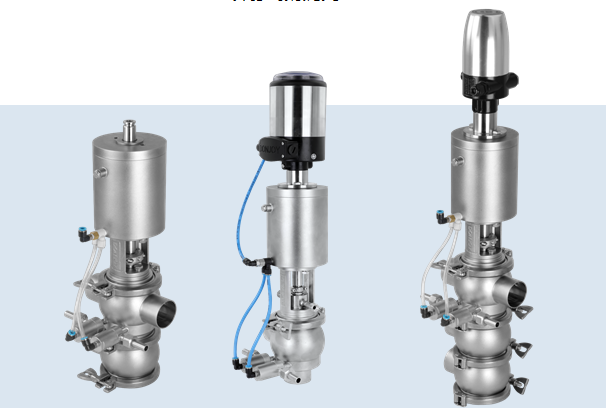
Applicable Scenarios (How to Choose)
Select Single-seat Valve scenarios
Food and beverage ordinary pipeline on-off, tank bottom discharge
No strict anti-mixing requirements, two media will not be contaminated with each other
Budget limited, conventional clean working conditions, not high aseptic grade
Pure water, clean water, ordinary raw material transportation
Select Double-seat Valve scenarios
Pharmaceutical sterile production line, biological fermentation, injection fluid pipeline
Different types of materials switching (anti-formula cross-odor, anti-pollution)
CIP cleaning fluid and product pipeline isolation, sterilization circuit switching
Dairy products, beverages multi-line merging and diversion,not allow cross-contamination
GMP high-grade clean workshop, with auditing tracking compliance requirements
Supplementary Information on Working Conditions Shortcomings
Single-seat valve's biggest shortcoming: When the pressure difference is large, the seal is prone to be pushed open, slight leakage will cause material leakage, not suitable for anti-mixing working conditions
The only drawback of the double-seat valve: High cost, slightly complex control system, but aseptic anti-mixing is a must-have that cannot be replaced